
10 Costly Mistakes First-Time Land Buyers Make in Nigeria (And How to Avoid Them)
uying land is one of the biggest financial decisions many Nigerians will ever make. Whether you are purchasing property to build your dream home, start a business, or invest for the future, owning land is often seen as a major milestone. Unfortunately, it is also an area where many first-time buyers lose substantial amounts of money due to avoidable mistakes. From fraudulent sellers to defective land titles and unresolved ownership disputes, the Nigerian real estate sector presents challenges that every buyer should understand before making any payment. The good news is that most of these risks can be avoided through proper legal guidance and thorough due diligence. Below are ten common mistakes first-time land buyers make—and how you can avoid them. 1. Paying Before Conducting Due Diligence Many buyers become excited after finding what appears to be the perfect property and rush to make payment to secure the deal. Unfortunately, appearances can be deceptive. A piece of land may already be under government acquisition, subject to litigation, or even sold to multiple buyers. Never make payment simply because a seller claims there are other interested buyers. Conduct proper investigations first.
2. Failing to Verify Ownership One of the most important questions every buyer should ask is: Does the seller actually own the land? Request all relevant ownership documents and verify that the person selling the property has the legal authority to transfer ownership. Where family land or jointly owned property is involved, ensure all necessary parties have given their consent.
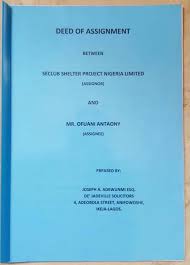
3. Ignoring Title Documents Many people mistakenly believe that a purchase receipt alone proves ownership. It does not. Important documents such as a Certificate of Occupancy (C of O), Deed of Assignment, Survey Plan, Registered Conveyance, or Governor's Consent each serve different legal purposes. Understanding what documents exist—and what may still be required—is essential before completing any transaction.
4. Not Conducting a Land Registry Search A land registry search helps confirm whether the title presented by the seller is genuine and whether there are existing encumbrances, mortgages, court orders, or competing interests affecting the property. Skipping this step may expose you to costly legal disputes in the future.
5. Overlooking Physical Inspection Documents tell only part of the story. Visit the property personally. Confirm that the land matches the survey plan, observe ongoing developments nearby, and speak with neighbours or community leaders where appropriate. Physical inspection can reveal issues that documents alone may not disclose.
6. Buying Land Under Government Acquisition Without Understanding the Risks Certain lands are acquired by government for public purposes. Purchasing such property without confirming its status could result in losing both the land and your investment. Always verify whether the land falls within committed acquisition, excision, gazette, or other government classifications before proceeding.
7. Trusting Verbal Promises Statements such as "the documents are being processed" or "don't worry, everything is genuine" should never replace written evidence. Every agreement relating to the transaction should be documented. Oral assurances provide little protection if disagreements arise later.
8. Trying to Save Money by Avoiding Professional Advice Some buyers view hiring a property lawyer or licensed surveyor as an unnecessary expense. In reality, professional advice is often the difference between a successful investment and years of litigation. The cost of proper legal due diligence is usually insignificant compared to the financial losses that may result from purchasing defective property.
9. Allowing Pressure to Influence Your Decision Fraudsters frequently create artificial urgency by claiming that several buyers are waiting or that the price will increase immediately. Take your time. A legitimate property transaction should allow sufficient opportunity for verification and legal review.
10. Failing to Keep Proper Records
After completing a purchase, securely preserve every document connected to the transaction, including receipts, agreements, correspondence, survey plans, photographs, and payment evidence.
Well-organised records can become invaluable if ownership is ever challenged.
Final Thoughts
Buying land should be an exciting investment, not the beginning of a legal dispute. Patience, proper documentation, professional legal advice, and careful due diligence remain your strongest protection against fraud and costly mistakes.
Remember: if a property deal seems unusually attractive or the seller insists on immediate payment without allowing verification, treat it as a warning sign rather than an opportunity.
Have you ever encountered challenges while buying land, or do you have questions about property ownership in Nigeria? Share your experience in the comments. Your question could inspire our next article and help other buyers make informed decisions.