
Introduction:
The world of real estate is a complex and dynamic one, with development and construction playing a crucial role in shaping our built environment. Whether it's constructing residential buildings, commercial spaces, or infrastructure projects, the development and construction sector is at the forefront of transforming our communities.
In this article, we will delve into the intricacies of development and construction in real estate and explore the key factors to consider when embarking on such projects.
Understanding the Development Process: The development process involves several stages, from conceptualization to completion. It begins with identifying a potential development site, conducting feasibility studies, and securing financing. Once the necessary approvals and permits are obtained, the project moves into the design and planning phase. This encompasses architectural design, engineering, and obtaining necessary regulatory clearances.
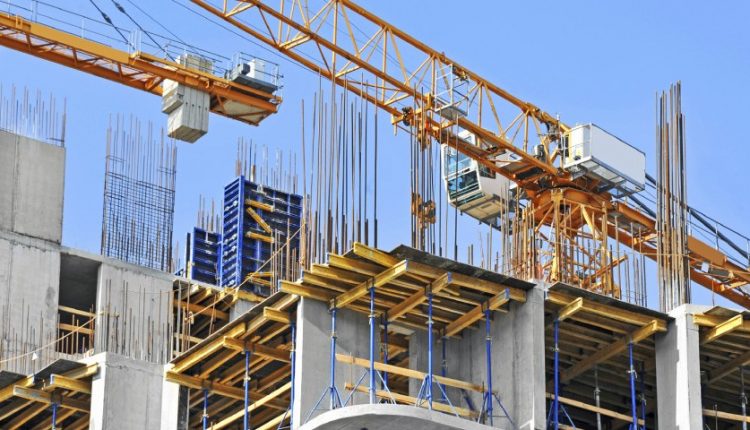
The construction phase follows, where the project is built as per the approved plans. Finally, the completed development is marketed, leased, or sold to end-users or investors.
Importance of Effective Project Management: Successful development and construction projects require effective project management. This involves coordinating various stakeholders, including architects, engineers, contractors, and subcontractors, to ensure smooth execution. Project managers oversee budgeting, scheduling, quality control, and risk management, ensuring that the project stays on track and meets its objectives. Effective project management plays a critical role in delivering projects on time, within budget, and to the desired quality standards.
Navigating Regulations and Compliance: Navigating the regulatory landscape is an essential aspect of development and construction. Local regulations and building codes dictate the parameters within which a project can be developed. Compliance with zoning restrictions, environmental regulations, and other legal requirements is key to avoiding costly delays and penalties. Engaging with knowledgeable professionals, such as land use attorneys and environmental consultants, can help navigate these complexities and ensure compliance throughout the process.
Sustainable Development Practices: Sustainable development practices have gained significant momentum in recent years. Developers are increasingly incorporating environmentally friendly and energy-efficient features into their projects. This includes using renewable materials, implementing green building certifications, and adopting sustainable design principles. Sustainable development not only benefits the environment but also enhances the marketability and long-term value of the property.
Challenges and Mitigation Strategies: Development and construction projects are not without challenges. Delays, cost overruns, and unforeseen issues can arise during the process. However, proactive risk management and contingency planning can help mitigate these challenges.
Conducting thorough due diligence, engaging experienced professionals, and maintaining open lines of communication among stakeholders can minimize potential setbacks. Adapting to changing market conditions and embracing innovative construction methods can also help overcome challenges and optimize project outcomes.
Industry Trends and Innovations: The development and construction sector is continually evolving, driven by advancements in technology and changing market demands. Emerging trends include the use of Building Information Modeling (BIM) for efficient project coordination, modular construction methods for faster delivery, and the integration of smart building technologies. Staying abreast of these trends and embracing innovation can position developers and construction professionals at the forefront of the industry.
Conclusion:
Development and construction are integral components of the real estate industry, shaping our cities and communities. Successful projects require careful planning, effective project management, compliance with regulations, sustainable practices, and the ability to navigate challenges. By embracing industry trends and fostering innovation, developers and construction professionals can create impactful and successful projects that meet the needs of end-users and investors alike. With a comprehensive understanding of the development process and a commitment to excellence, the possibilities in the world of development and construction are endless.